Solo Bitcoin Miner Defies 1-in-100,000 Odds, Wins $222,000 Block Reward

On April 9, 2026, the Bitcoin network witnessed an extraordinary mining miracle — a solo miner beat odds of roughly 1 in 100,000 to successfully mine Bitcoin block 944,306, claiming a full reward of 3.128 BTC, worth around $222,000 at the time.
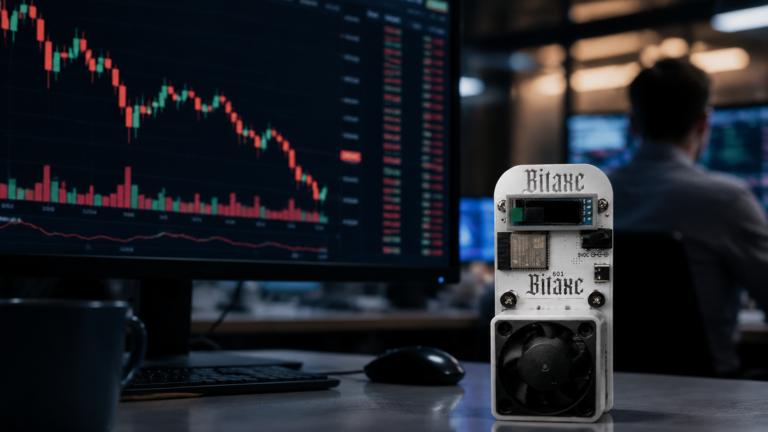
What makes this win even more remarkable is the miner’s modest setup: just 70 TH/s of computing power, roughly equivalent to a single 2019 Bitmain Antminer S17+ — a relatively old machine by today’s standards.
The miner operated in solo mining mode via CKpool, meaning they did not join a mining pool, share hashrate, or split rewards. In an industry dominated by massive industrial mining farms with exahashes of power, this individual accounted for just 0.0000069% of the total Bitcoin network hashrate, which stood at approximately 1.02 ZH/s on the day.
Statistically, a setup of this size would normally be expected to take hundreds of years to mine a single block. Yet luck struck almost instantly.
The total reward included:
- Block subsidy: 3.125 BTC (~$221,800)
- Transaction fees: 0.003 BTC (~$212)
- Total: 3.128 BTC ≈ $222,000
Incredibly, this is not an isolated case.
Just days earlier, another solo miner using CKpool mined block 943,411 and earned roughly $210,000, with daily odds of success around 1 in 28,000.
CKpool’s solo mining model allows individual miners to compete directly for full block rewards:
- No pooling, no shared rewards
- Extremely low odds, but 100% payout if successful
- Minimal pool fees, no need for complex infrastructure
These back-to-back underdog victories challenge the narrative that Bitcoin mining is only profitable for large-scale operations.
Bitcoin mining remains a probabilistic game, not just a race of raw computing power. Even with a single old miner, anyone connected to the network still has a non-zero chance to strike it big.
On this day, luck favored the solo miner.