What Is BM1373? A Beginner-Friendly Guide to the Next-Generation Bitcoin Home Mining ASIC Chip
In Bitcoin mining hardware, ASIC chips are the core components that determine a miner’s hashrate, power consumption, and overall efficiency. For users interested in home mining, solo mining, or Bitaxe-style open-source miners, BM1373 is one of the newer chips worth paying attention to.
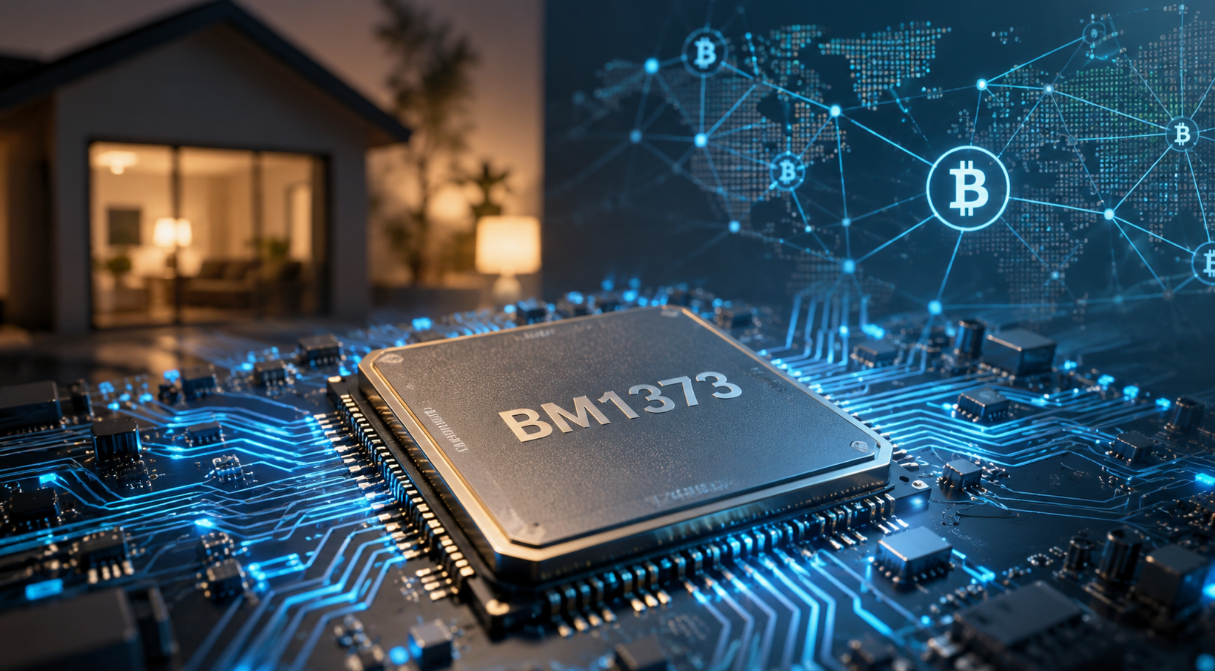
Simply put, BM1373 is a SHA-256 ASIC chip designed for Bitcoin mining. It is commonly associated with Bitmain’s newer-generation mining hardware, especially high-performance machines such as the Antminer S23 series.
Why Is BM1373 Getting Attention?
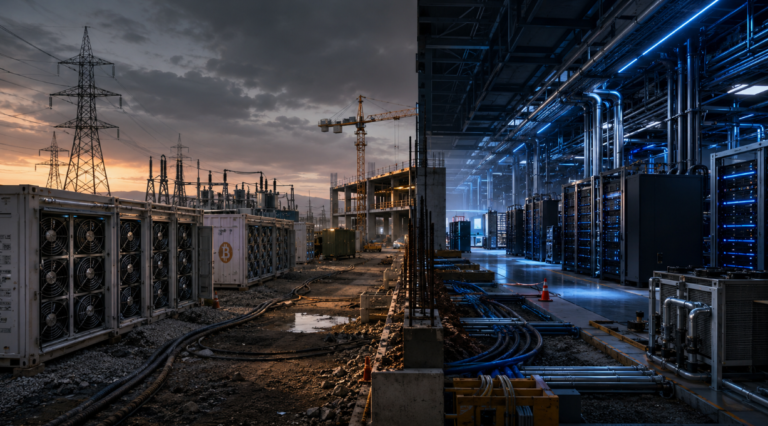
Over the past few years, Bitcoin mining hardware has been moving in two major directions. On one side, large-scale mining farms are pursuing higher hashrate and better energy efficiency. On the other side, home miners are looking for a more accessible way to participate in the Bitcoin network.
This is where BM1373 becomes interesting.
Compared with older ASIC chips, BM1373 represents a newer generation of Bitcoin mining technology with stronger performance potential and improved energy efficiency. For home mining devices, this matters a lot. Home miners do not only care about hashrate. They also care about power consumption, heat, noise, stability, and ease of setup.
A powerful and efficient ASIC chip can help small Bitcoin miners deliver better performance while staying practical for home use.
How Does BM1373 Relate to Bitcoin Mining?
Bitcoin uses the SHA-256 proof-of-work algorithm. The role of an ASIC chip is to perform SHA-256 calculations as efficiently as possible.
Compared with CPUs or GPUs, ASIC chips are built for one specific purpose: mining. This allows them to produce much more hashrate with much better power efficiency.
BM1373 matters because it reflects the continued evolution of Bitcoin mining hardware. Higher single-chip performance and better efficiency can make compact miners more useful, especially for people who want to run a miner at home without dealing with the noise, heat, and power demands of industrial mining machines.
For solo miners, a higher hashrate does not guarantee consistent rewards. Solo mining is still based on probability. However, a more efficient chip can help users participate in the Bitcoin network for longer periods of time with lower power costs and a better overall experience.
Is BM1373 Suitable for Home Mining?
From a technical perspective, BM1373 is well suited for next-generation compact Bitcoin mining devices. But whether a miner is truly suitable for home use depends on more than just the chip.
A good home Bitcoin miner needs to have reasonable power consumption, stable cooling, acceptable noise levels, simple configuration, and the ability to run 24/7. BM1373 is the core component, but the final user experience depends on the full system design, including the circuit board, power delivery, cooling solution, firmware, and enclosure.
This is one of the reasons SoloBitaxe is paying close attention to BM1373. We believe Bitcoin mining should not belong only to large data centers. Compact, low-power, easy-to-use miners can help more people understand and participate in Bitcoin directly.
BM1373, Bitaxe, and Solo Mining
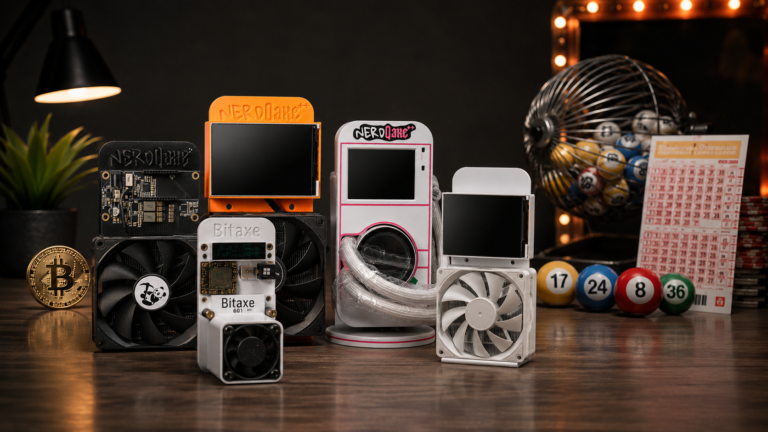
Bitaxe-style devices are built around a simple idea: make Bitcoin mining more accessible to individuals.
They are not designed to compete with industrial mining farms. Instead, they focus on openness, low power consumption, hands-on learning, and long-term participation in the Bitcoin network.
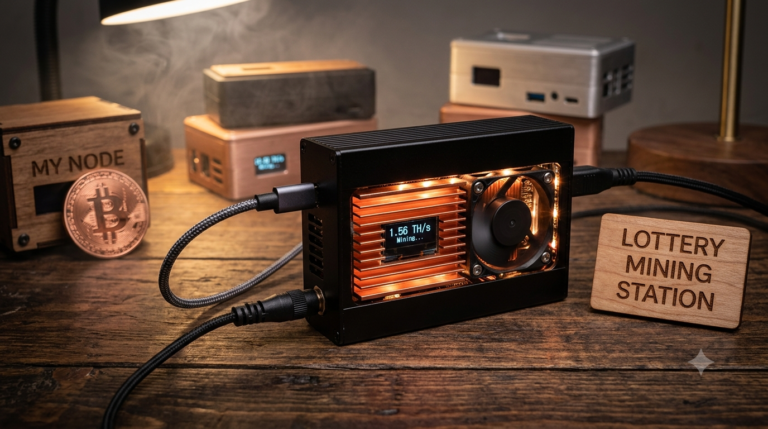
If BM1373 is used in Bitaxe-style or similar compact miners, it may offer stronger single-device performance and better efficiency than previous-generation chips. This could help home miners achieve a better balance between size, power usage, and hashrate.
That said, it is important to understand that solo mining is not a guaranteed income model. It is better viewed as a way to participate in Bitcoin directly. When you run a miner, you are contributing your own hashrate to the network. Whether you find a block depends on probability, but the act of mining itself is one of the most direct ways to engage with Bitcoin.
What Should You Look for in a BM1373-Based Miner?
If you are interested in BM1373-based mining hardware, do not look only at the advertised TH/s number.
You should also consider:
How much power does the device actually use?
Is the cooling system reliable?
Can it run continuously without overheating?
Is the noise level acceptable for a home environment?
Is the setup process beginner-friendly?
Does it support common mining pools and solo mining configurations?
Is the power connector safe and stable?
Are tutorials and after-sales support available?
For beginners, ease of use is often more important than maximum performance. A miner that is stable, quiet, simple to configure, and easy to maintain is usually a better choice than one with aggressive specs but poor usability.
Final Thoughts: BM1373 Represents a New Opportunity for Bitcoin Home Mining
BM1373 is one of the newer Bitcoin ASIC chips worth watching. It represents the ongoing shift toward higher hashrate, lower power consumption, and better mining efficiency.
For large mining farms, chips like BM1373 mean higher hashrate density and lower operating costs. For home miners, the meaning is different but just as important: the next generation of compact Bitcoin miners may become more powerful, more efficient, and easier to use at home.
At SoloBitaxe, we will continue to follow the development of BM1373 and next-generation home mining hardware. We believe the future of Bitcoin mining should not exist only inside large industrial facilities. It should also belong in the homes of individual users around the world.
Bitcoin home mining is not just about hashrate. It is about participation, learning, and bringing Bitcoin back to individuals.