What Running a Bitaxe Taught Me About Bitcoin Lottery Mining (And Which One to Buy)
I’ve been lurking on r/BitAxe lately. A lot of guys are getting into home mining because these tiny, open-source micro-miners draw almost zero power. But if you’re looking at the marketplace right now, it’s a total mess of different versions and mods.
A thread caught my eye the other day asking two brutal questions: Which Bitaxe should you actually buy right now, and does it make any financial sense?
Instead of guessing, let’s look at what the guys who actually run these things on their desks every day have to say.
First: The Math on “Lottery Mining”
Let’s be real about the economics. You are not going to make a daily profit with a Bitaxe. If you factor in your residential electricity bill, you’re probably running at a tiny loss. You simply cannot compete with industrial, megawatt mega-farms.
In the crypto community, this is what we call Lottery Mining.
Reddit user FMLuck, who runs two Gamma 601s, put it perfectly:
“Personally I don’t think it’s worth it to mine for daily profit… I have 2 Bitaxe gamma 601, mostly for hobby (modifying) and using them as decoration on my desk. Hitting a block would be considered a massive bonus.”
Think of it as buying a permanent, low-power lottery ticket. If your silicon happens to solve a block, you solo-mine the full 3.125 BTC reward. The odds are crazy slim, but they are non-zero.
The Verdict: Gamma 601 is the Meta
If you want to pull the trigger, the community consensus is near-unanimous: grab a Bitaxe Gamma 601.
chieb_sol, a top commenter on the subreddit, broke down the running costs from the UK, a region notorious for high energy prices:
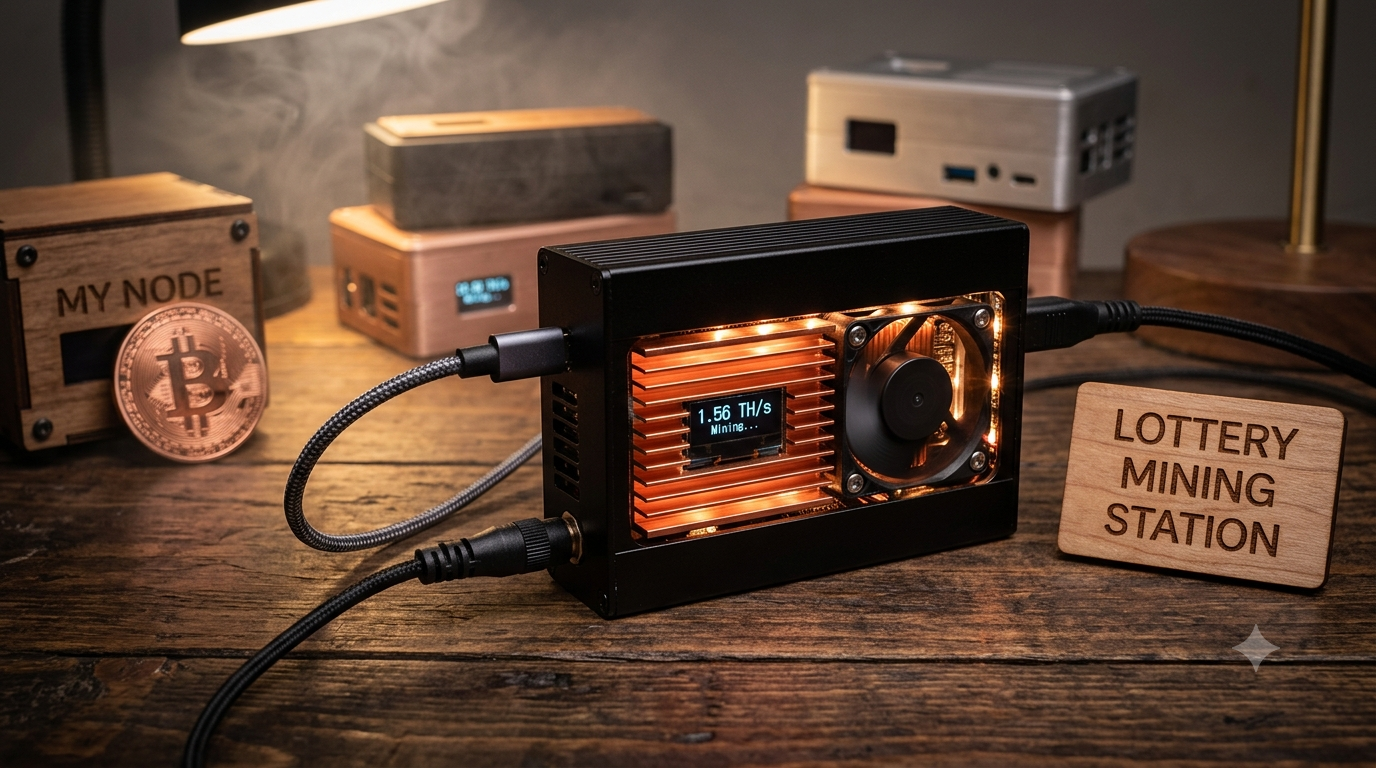
“The electric usage is low, mine in the UK ~ £5 GBP / month @ 1.56TH/s. If you’re based in US I’m sure it will be considerably cheaper to run. Think of this as a hobby.”
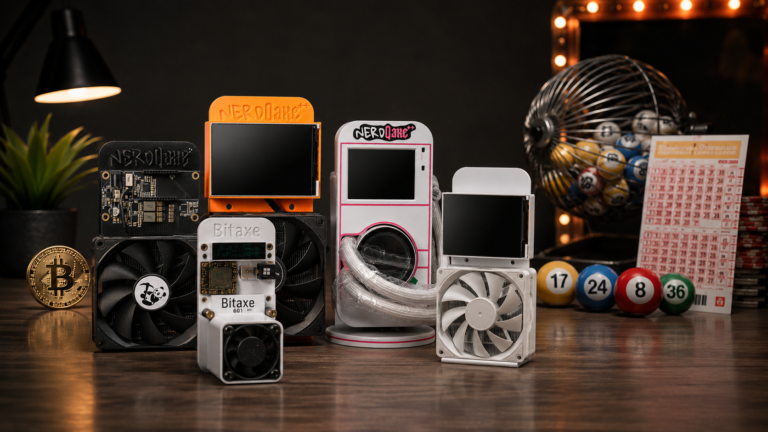
Why the Gamma 601? Because it’s cheap, highly supported, and the perfect canvas for tinkering. Some guys on the thread mentioned waiting for next-gen ASIC chips, or going full-specced with an OCTaxe, but if you want to learn how to spin up your own node and flash firmware today, the Gamma 601 is your baseline.
The Real Danger: It’s Addictive
The funniest part of the thread is the warning about the “Bitaxe rabbit hole.” Since these things are open-source, you can mod everything.
User ebolaguy warned:
“The problem is that it happens to everyone—you become addicted, and you can’t stop buying or upgrading miners, hahaha.”
Another user, rainbash81, already has a fleet of 5 Gammas:
“I expect it probably won’t ever pay off. But they look cool and kept me occupied tinkering with them… next step getting a secondary off-grid solar setup just to power them. Because there’s a chance.”
That’s the real crowd here. It’s cyberpunk desk decoration, a hardware hacking hobby, and a fun way to support Bitcoin decentralization without your wife divorcing you over a loud, hot Antminer running in the garage.
So, Should You Buy One?
If you want guaranteed passive income, just buy spot BTC instead.
But what if you want to learn how the blockchain actually functions at a hardware level? What if you want to tweak custom cooling loops and own a tiny machine that gives you a puncher’s chance at a block reward—all for the price of a couple of coffees a month?
If that sounds like you, get a Gamma.
If you do pick one up, don’t let stock thermal throttling ruin your hash rate. Check out our [Premium Bitaxe Custom Cooling Mods] to keep your chips running at peak efficiency.
Gamma 601 1.2TH/S Home Office 2.4G WiFi Solo Machine With 18W Power Supply