
Bitcoin mining is entering a new era again
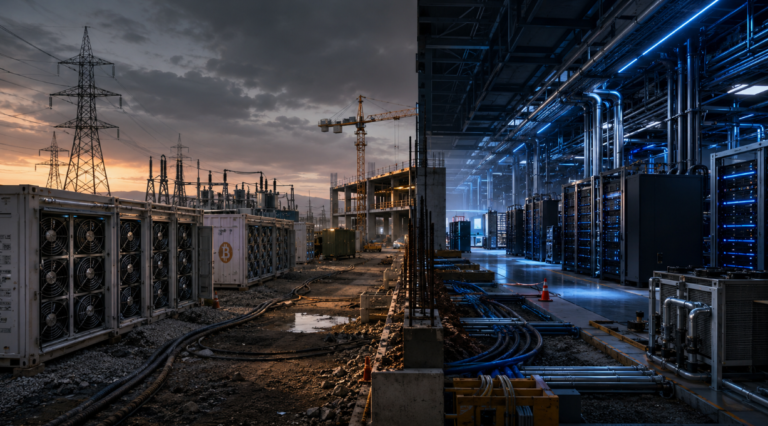
Back in the early days, anyone with a normal computer could mine Bitcoin. Then GPUs took over. After that, ASIC miners completely changed the game. Today, industrial mining farms dominate the network with massive warehouses full of ultra-powerful machines.
But recently, something interesting has started happening.
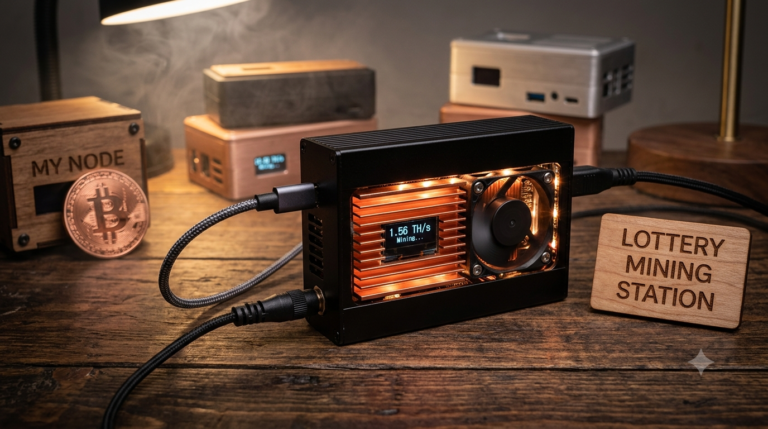
More people are getting interested in compact Bitcoin miners, open-source hardware, and home mining setups again. Instead of chasing giant industrial rigs, many Bitcoin enthusiasts now want smaller, quieter, and more efficient miners they can actually run at home.
And this is exactly why the BM1373 ASIC chip is suddenly getting so much attention.
BM1373 is currently considered one of the most interesting next-generation SHA-256 ASIC chips for Bitcoin mining. Compared with older chips like BM1366, BM1368, and even BM1370, the BM1373 focuses on one thing that matters a lot for home miners:
Better efficiency.
What Is BM1373 ASIC Chip?
BM1373 is a next-generation ASIC chip designed specifically for Bitcoin SHA-256 mining.
ASIC stands for Application-Specific Integrated Circuit.
Unlike CPUs or GPUs, ASIC chips are not built for gaming, browsing, or general computing. They are purpose-built hardware designed to do one thing only:
Bitcoin mining.
That is why ASIC miners are dramatically more powerful and efficient than GPUs when mining Bitcoin.
The BM1373 chip is believed to be based on technology related to the newer generation Antminer architecture and uses advanced semiconductor process improvements to achieve significantly higher efficiency than previous generations.
Current discussions around BM1373 suggest several important advantages:
- Around 2.5 TH/s single-chip hashrate potential
- Approximately 10 J/TH efficiency
- Lower heat generation
- Better thermal control
- More compact miner possibilities
For industrial mining farms, this means better operating margins.
For home miners, this changes everything.
Why BM1373 Matters More for Home Mining
Most industrial mining companies can solve problems with money.
Too much heat? Install larger cooling systems.
Too much noise? Move miners into warehouses.
Power problems? Build industrial infrastructure.
But home miners do not have those advantages.
A miner running inside a bedroom, office, garage, or home lab faces very different challenges.
Heat becomes noticeable fast.
Fan noise becomes annoying after a few hours.
Power efficiency suddenly matters a lot more when using residential electricity.
This is where BM1373 becomes interesting.
The lower the J/TH ratio, the less energy is wasted as heat.
That means:
- Lower temperatures
- Easier airflow management
- Smaller cooling systems
- Better stability
- Lower fan speeds
- More comfortable home operation
For people running compact miners indoors, these details matter far more than raw peak hashrate.
Why Small Bitcoin Miners Are Becoming Popular Again
A few years ago, many people thought home Bitcoin mining was dead.
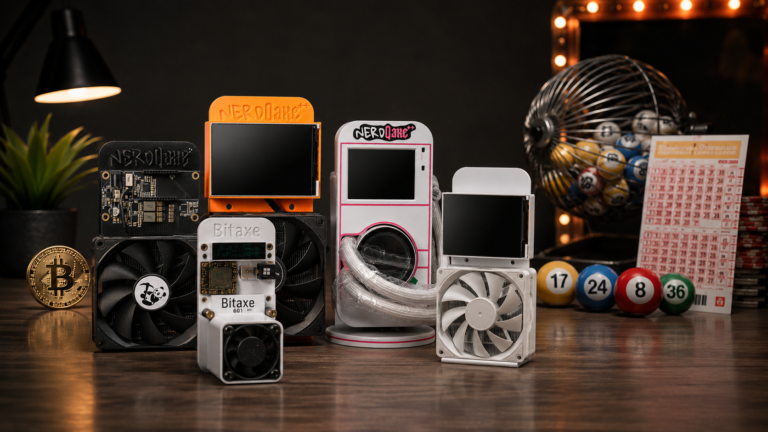
But projects like Bitaxe changed the conversation.
Instead of trying to compete directly with industrial mining farms, small miners started focusing on something different:
Accessibility.
Today, many people are interested in:
- Learning how Bitcoin mining works
- Running real ASIC hardware
- Building home lab setups
- Experimenting with open-source miners
- Supporting Bitcoin decentralization
- Participating in solo mining
This is why compact miners have become increasingly popular.
For many users, home mining is no longer only about profit.
It is about understanding the Bitcoin network from the inside.
And efficient chips like BM1373 make this much easier.
BM1373 vs Older ASIC Chips
The jump from BM1366 to BM1370 already improved efficiency significantly.
But BM1373 could represent another major step forward for compact miners.
Approximate generation improvements currently discussed by the mining community:
BM1366:
- ~0.4–0.5 TH/s per chip
- ~27 J/TH
BM1368:
- ~0.5–0.7 TH/s
- ~17.5 J/TH
BM1370:
- ~1.2 TH/s
- ~15 J/TH
BM1373:
- ~2.5 TH/s
- ~10 J/TH
The most important part is not only the higher hashrate.
It is the efficiency improvement.
For home mining, efficiency often matters more than absolute power.
Because efficiency directly affects:
- Heat
- Noise
- Cooling difficulty
- Long-term stability
- Physical size
- Indoor usability
A miner that runs cooler is much easier to live with.
What BM1373 Could Mean for Bitaxe-Style Miners
This is probably where BM1373 gets the most exciting.
Efficient chips create more possibilities for:
- Smaller desktop miners
- Compact home miners
- Lower-noise mining systems
- Open-source mining projects
- DIY Bitcoin miners
- Solo mining hardware
Many Bitcoin enthusiasts are no longer interested in running giant industrial miners at home.
Instead, they want miners that are:
- Compact
- Efficient
- Stable
- Beginner-friendly
- Easy to set up
- Easy to understand
This is exactly the direction Bitaxe-style miners are moving toward.
With chips like BM1373, future compact miners may become even more practical for normal home environments.
Not Just About Profit
One of the biggest misconceptions about home mining is that everybody is trying to become rich from a small miner.
That is not really true.
For many people, home mining is more about:
- Learning
- Experimentation
- Participation
- Hardware tinkering
- Open-source development
- Bitcoin culture
A small miner may never compete with industrial-scale farms.
But that was never the point.
Home mining allows people to interact directly with the Bitcoin network instead of only watching price charts.
And that is why efficient chips matter so much.
The easier mining becomes to run at home, the more accessible Bitcoin infrastructure becomes for normal users.
Final Thoughts
BM1373 is still very new, and real-world testing for many upcoming miners is still ongoing.
But one thing is already clear:
The future of Bitcoin home mining is moving toward smaller, quieter, and more efficient hardware.
For home miners, efficiency is not just a specification on paper.
It affects the entire user experience:
- Heat
- Noise
- Cooling
- Stability
- Power consumption
- Daily usability
That is why BM1373 is becoming one of the most talked-about ASIC chips in the home mining community.
Not because it will replace industrial mining farms.
But because it could help make Bitcoin mining easier to access, easier to understand, and easier to bring home.